
The Ding Lab is using cutting edge microscopy techniques to visualize tumor architecture at unprecedented detail.
Lightsheet Microscopy
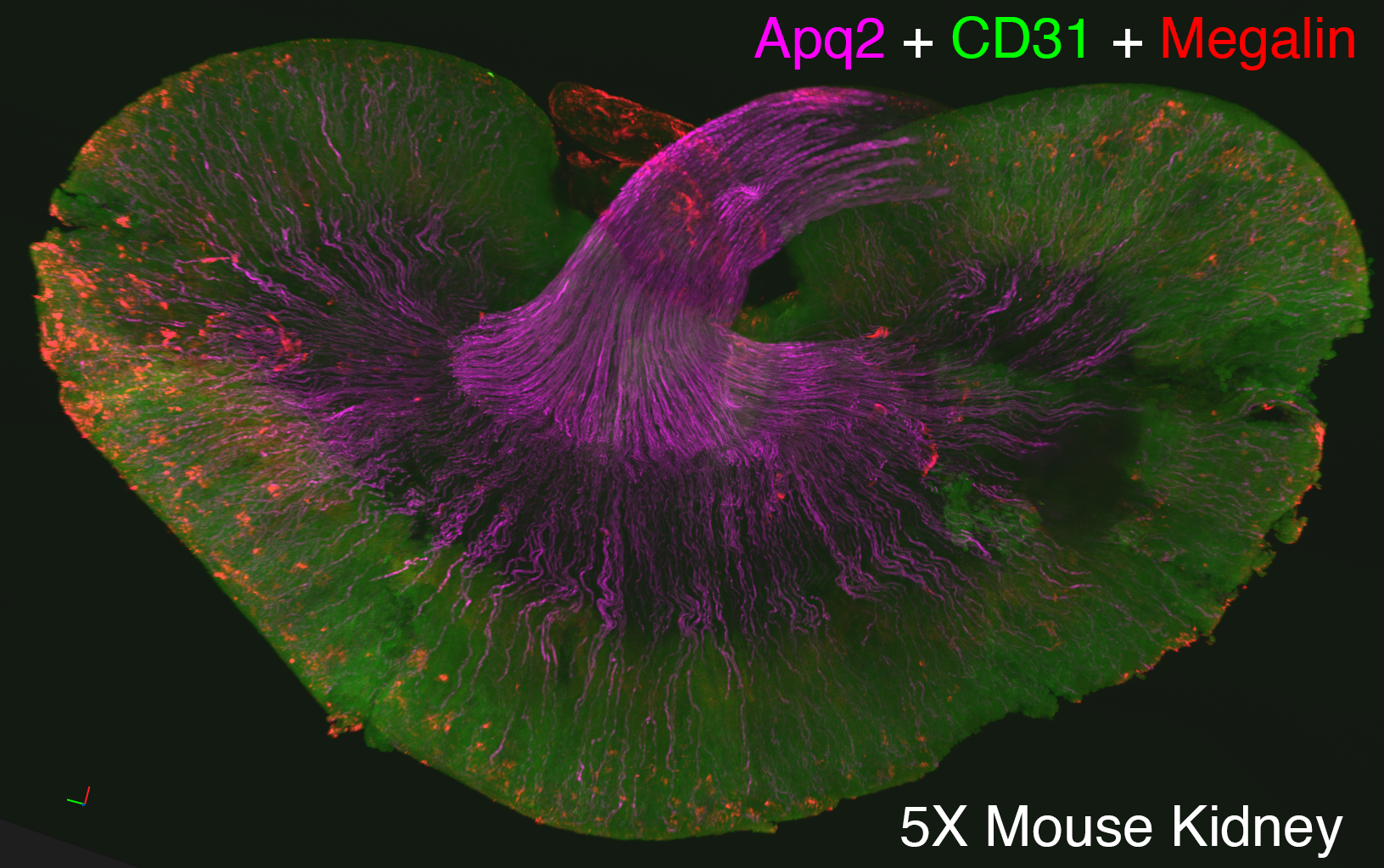
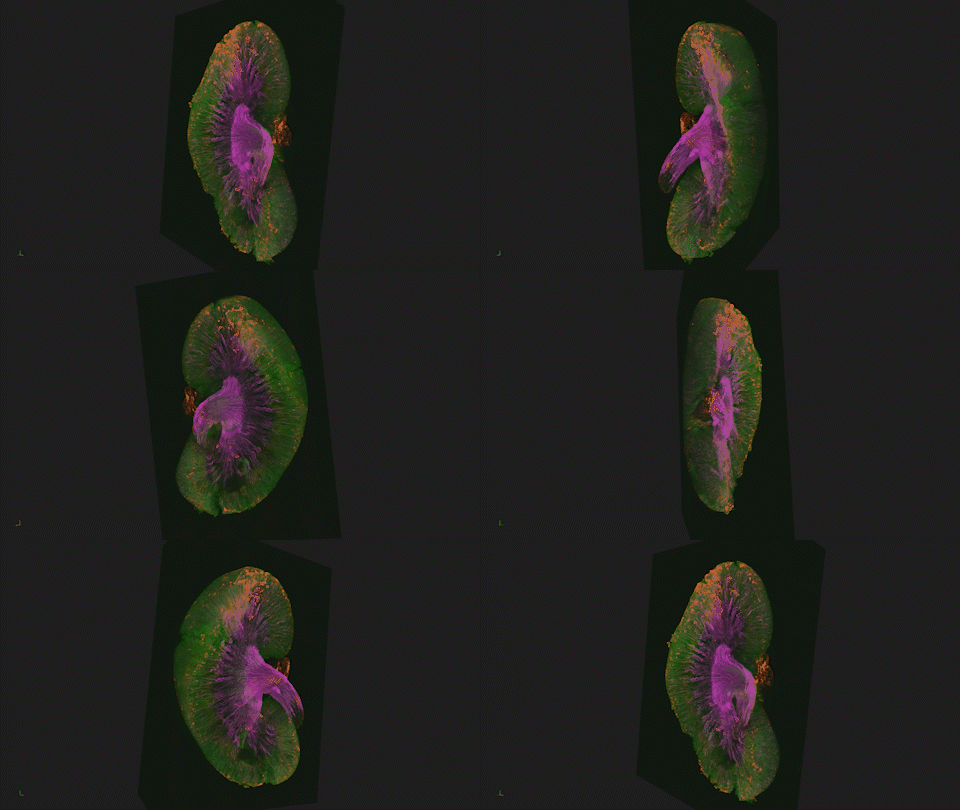
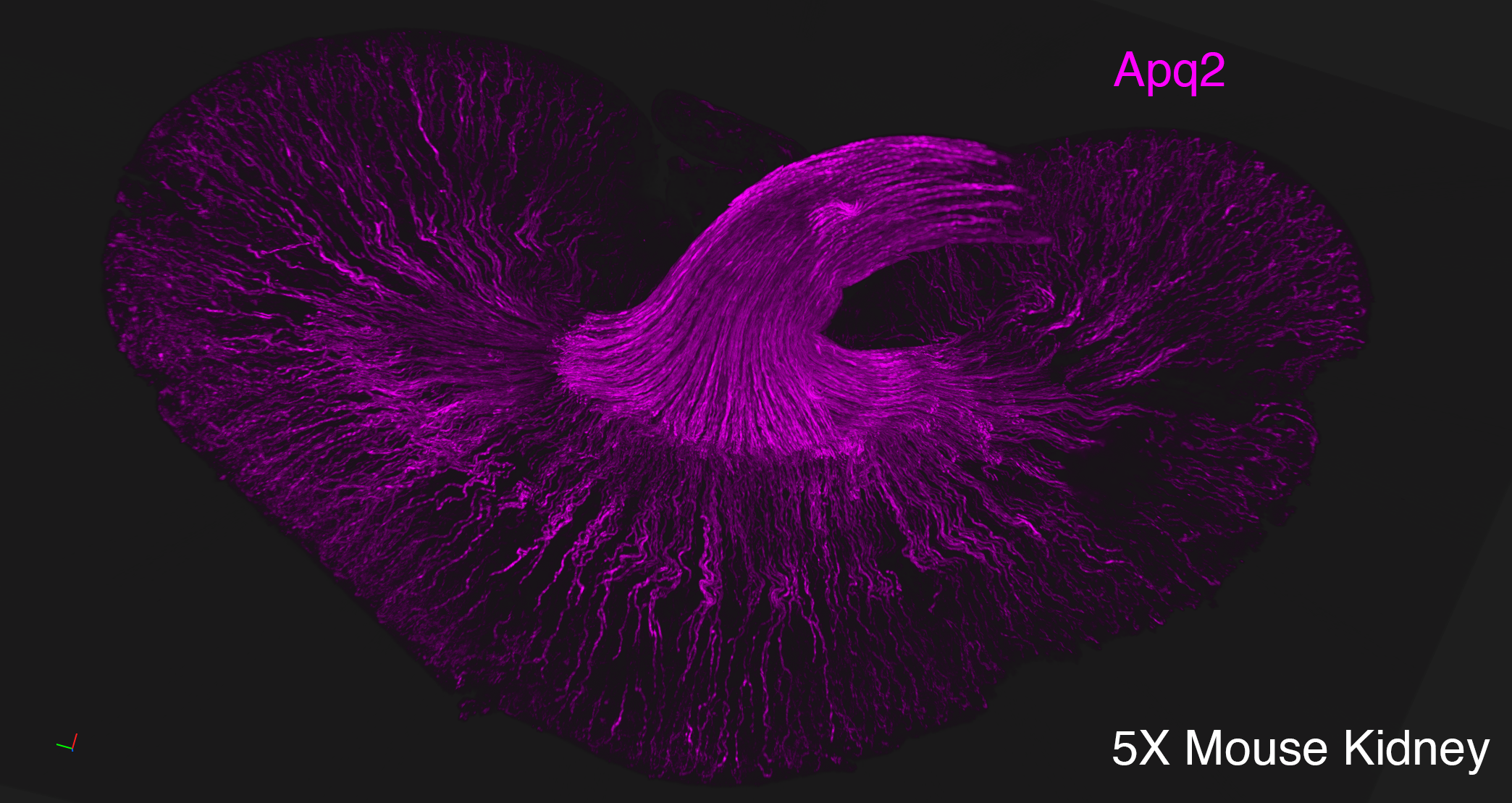
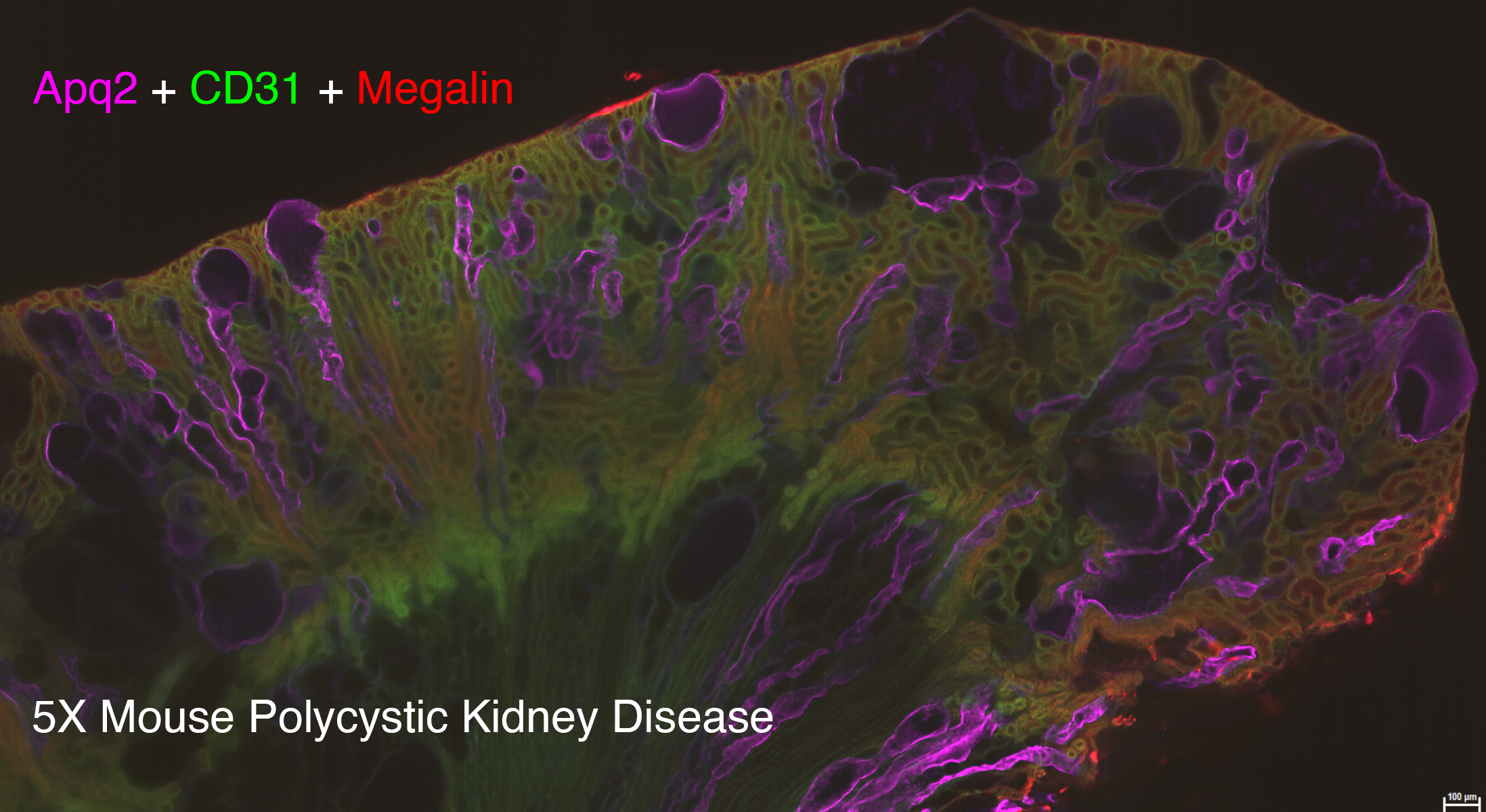
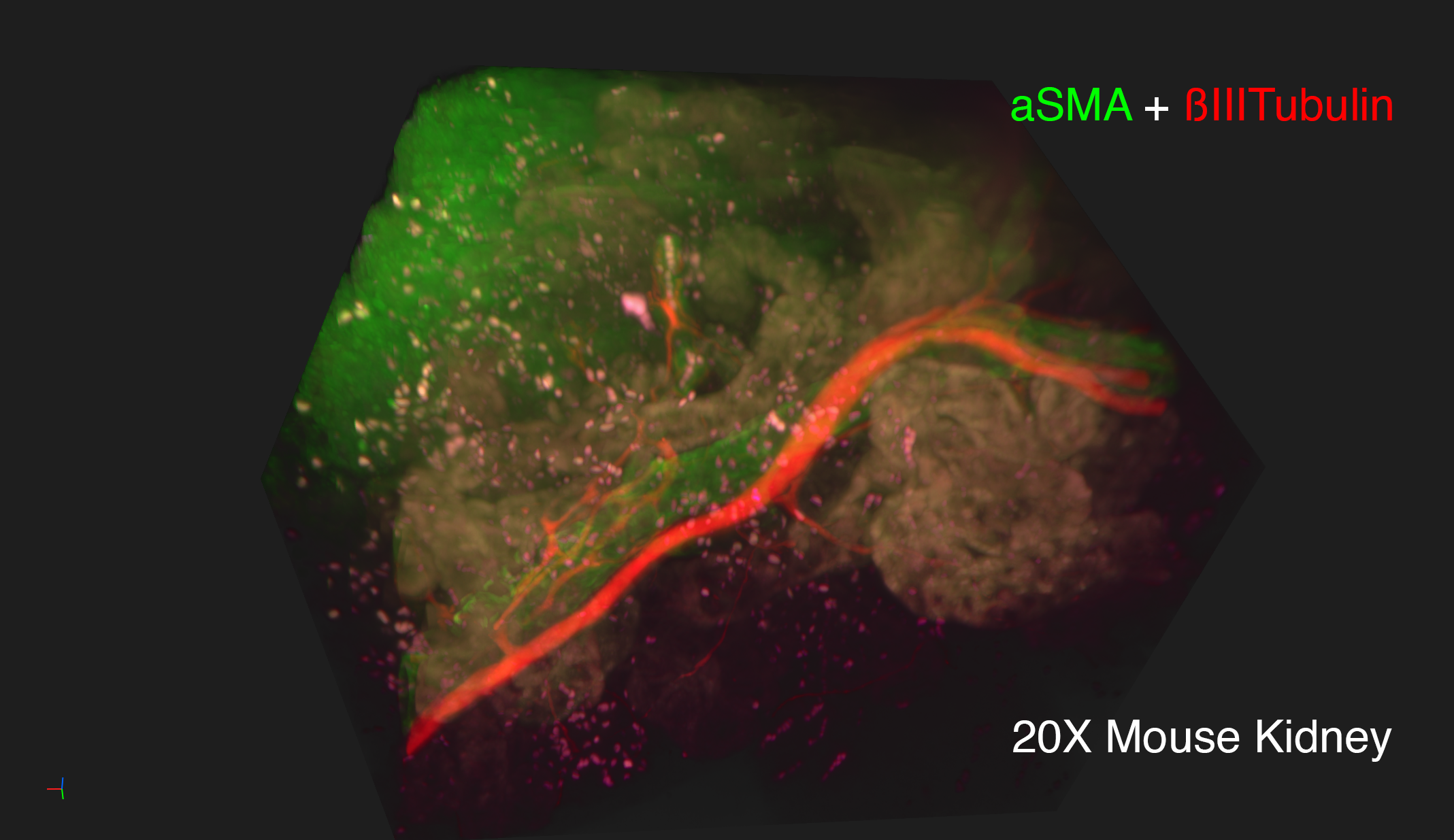
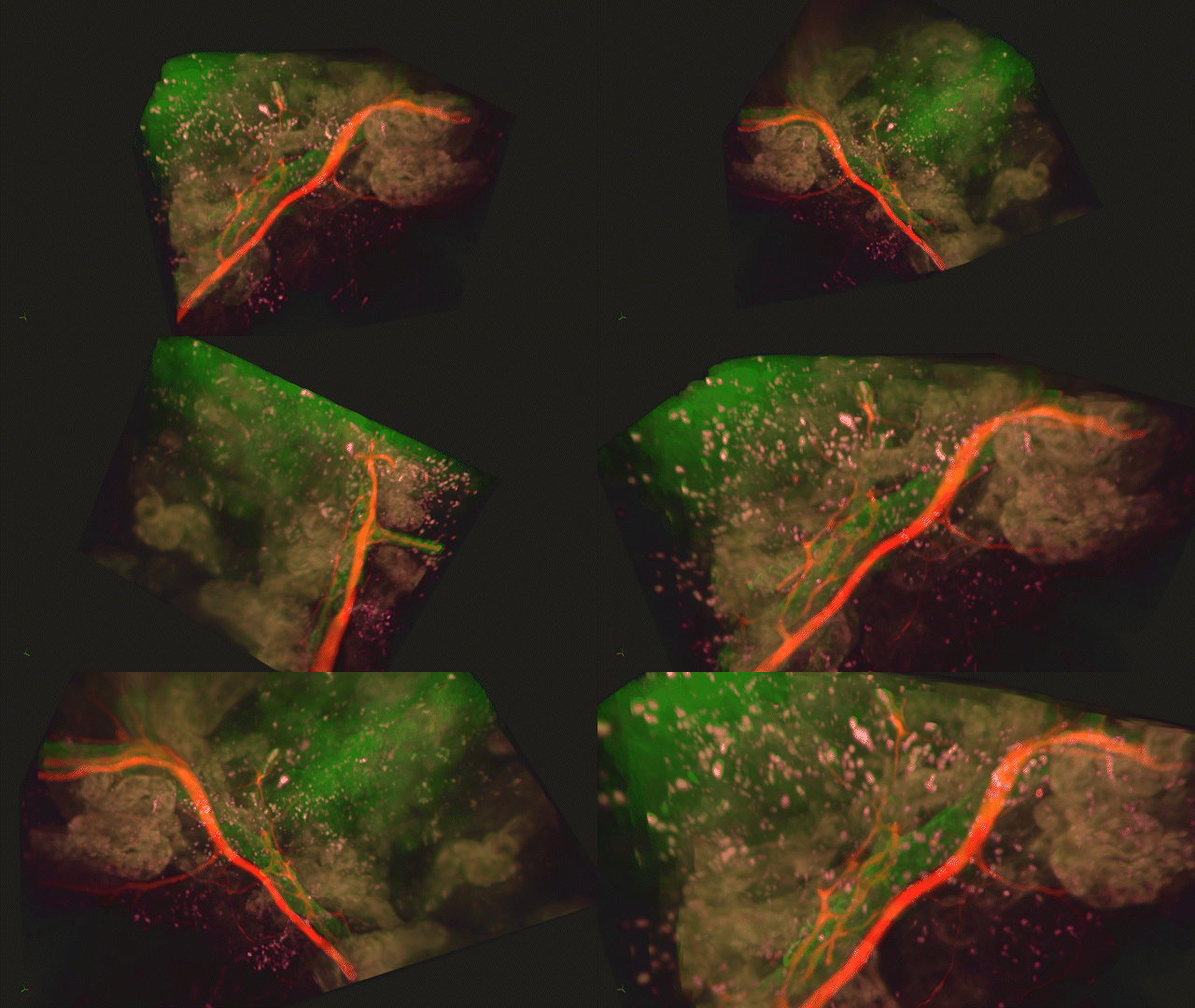
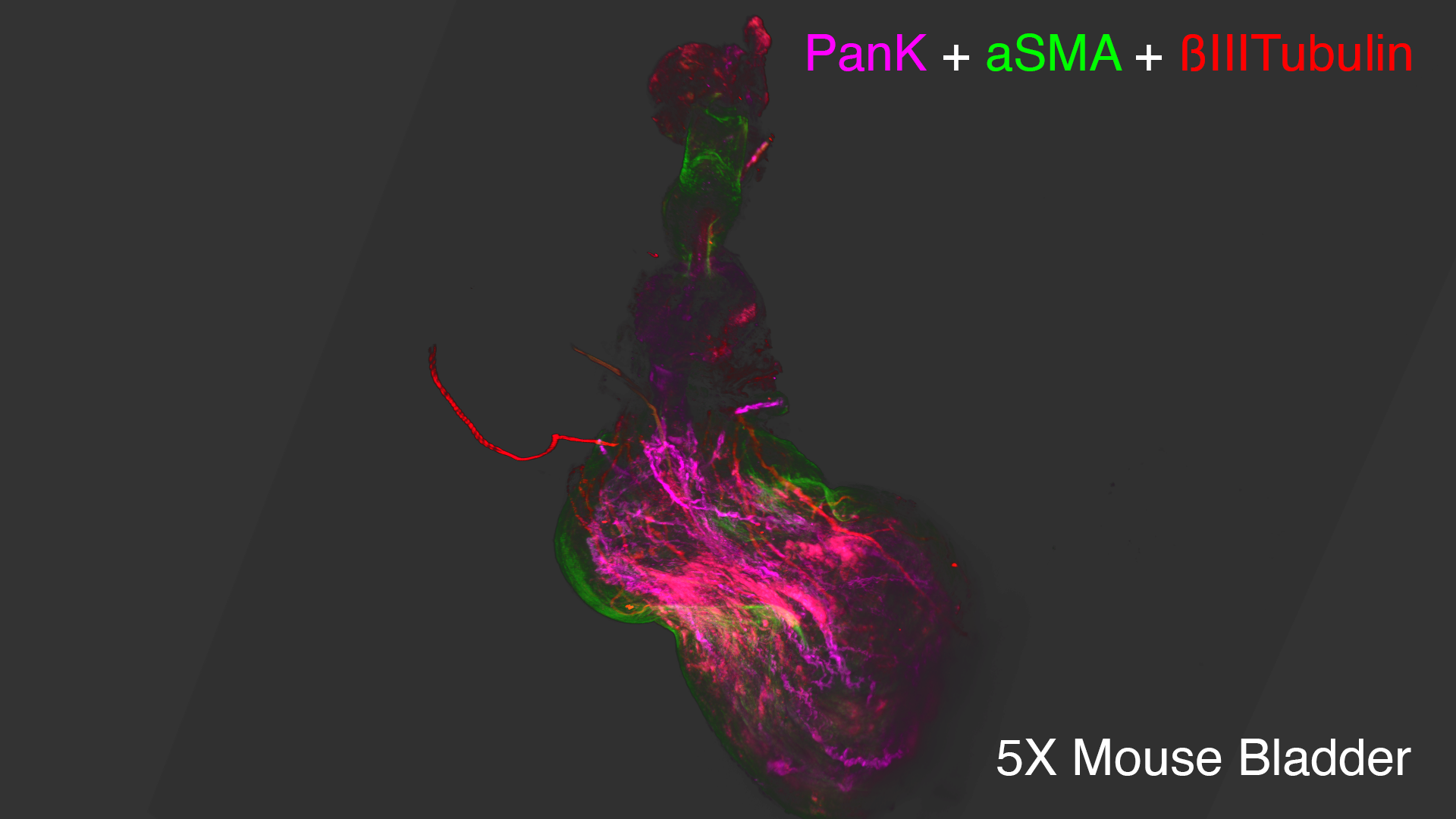
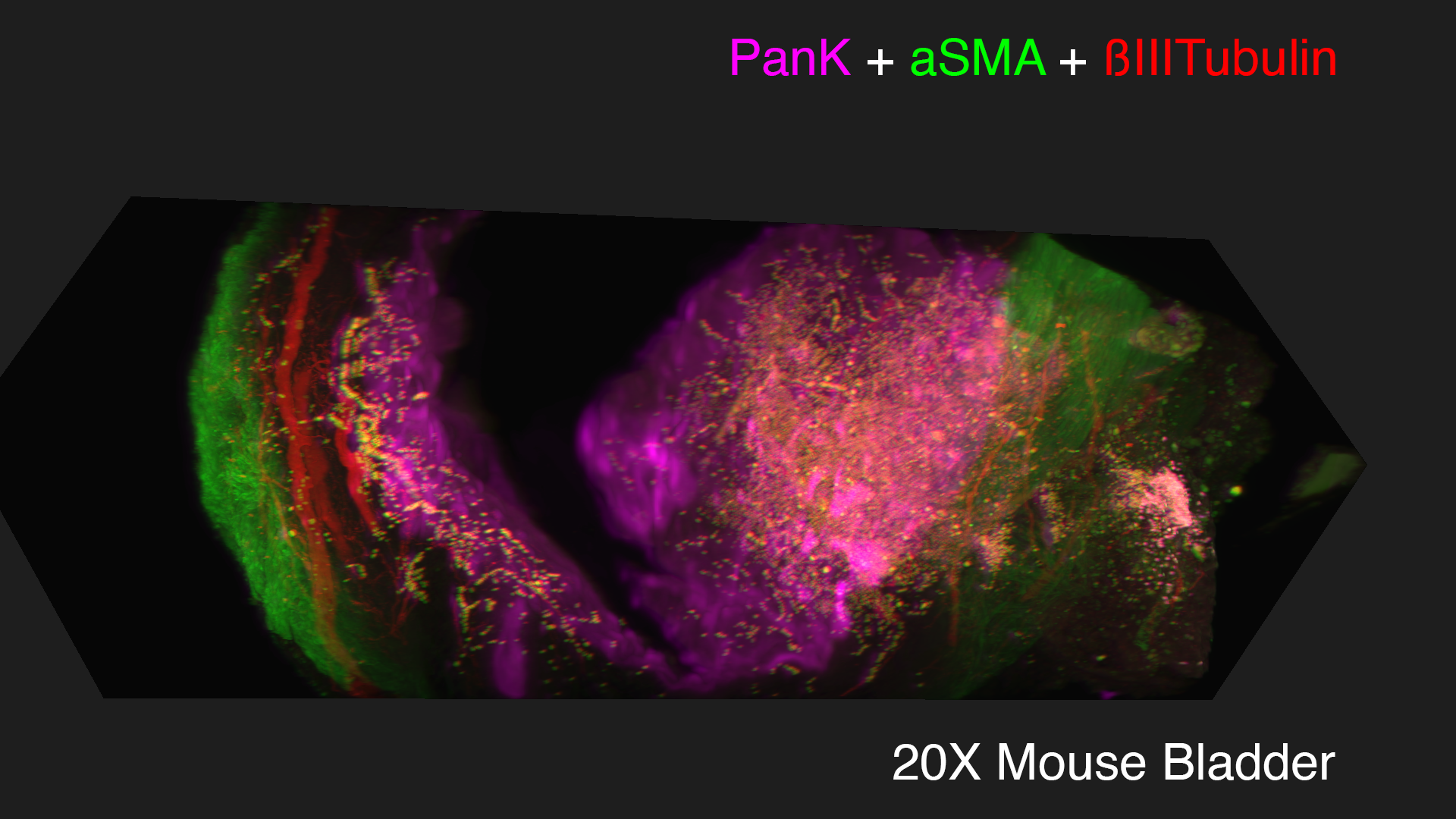
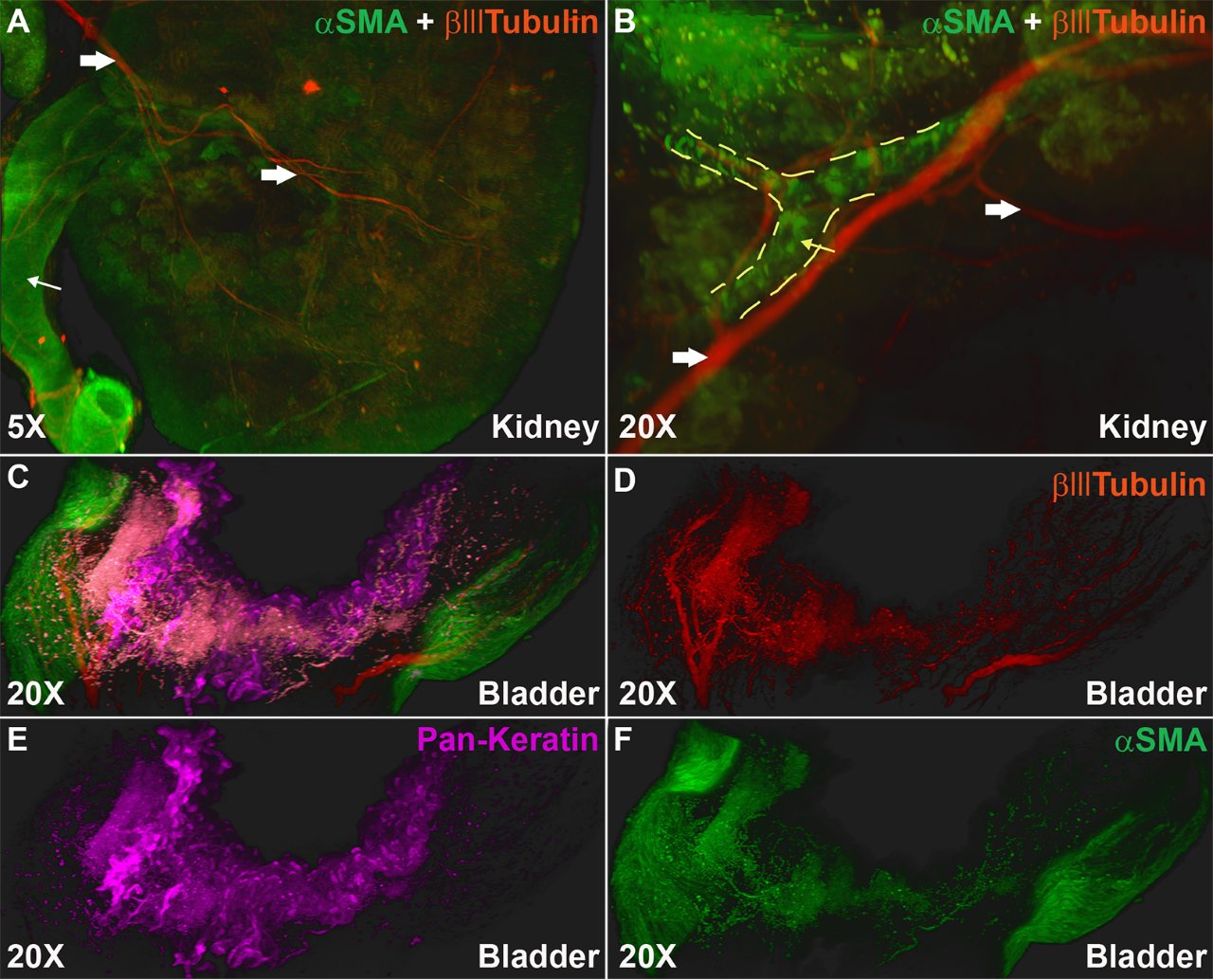
Lightsheet microscopy uses novel techniques to optically clear, or make transparent, various types of tissue. Subsequent staining and three-dimensional imaging of the tissue provides unprecedented insight into the structure within the tissue.
We use Lightsheet Microscopy (LSM) for three-dimensional (3D) multiplexed imaging of large volumes (up to 5 x 10 x 10 mm) of optically-cleared fluorescently labeled samples. LSM offers enhanced speed, resolution, multiplexity and depth with reduced photobleaching. Using LSM with cleared tumor samples, we can reveal 3D architecture of previously unknown features of human solid tumor tissue, including the complex spatial interactions between tumor, immune and stromal cells with vascular and lymphatic vessels, and the extracellular matrix.
Codex
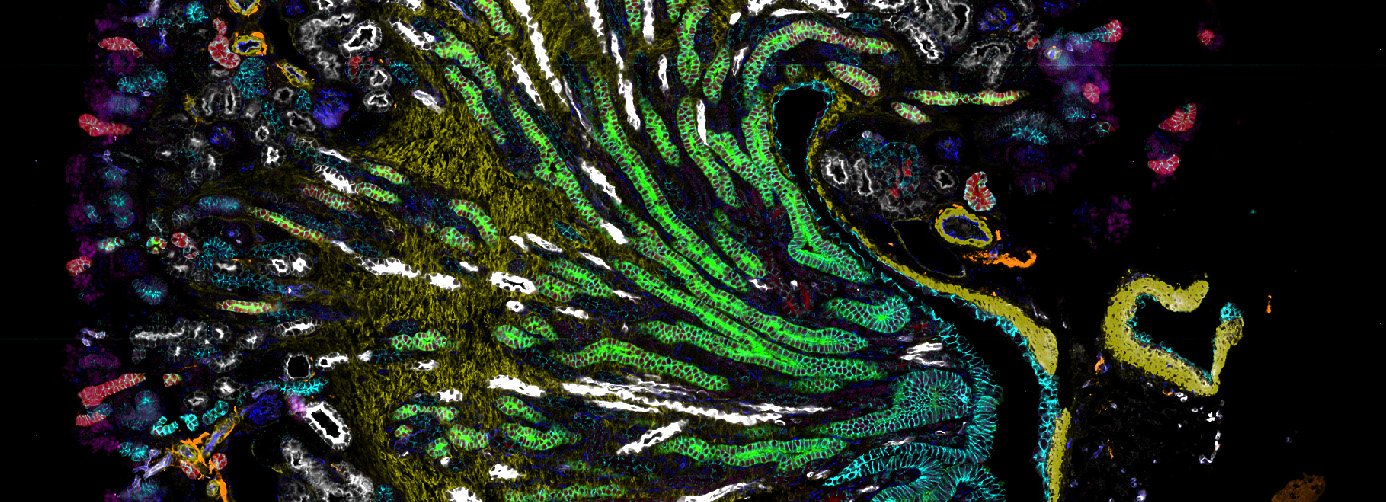
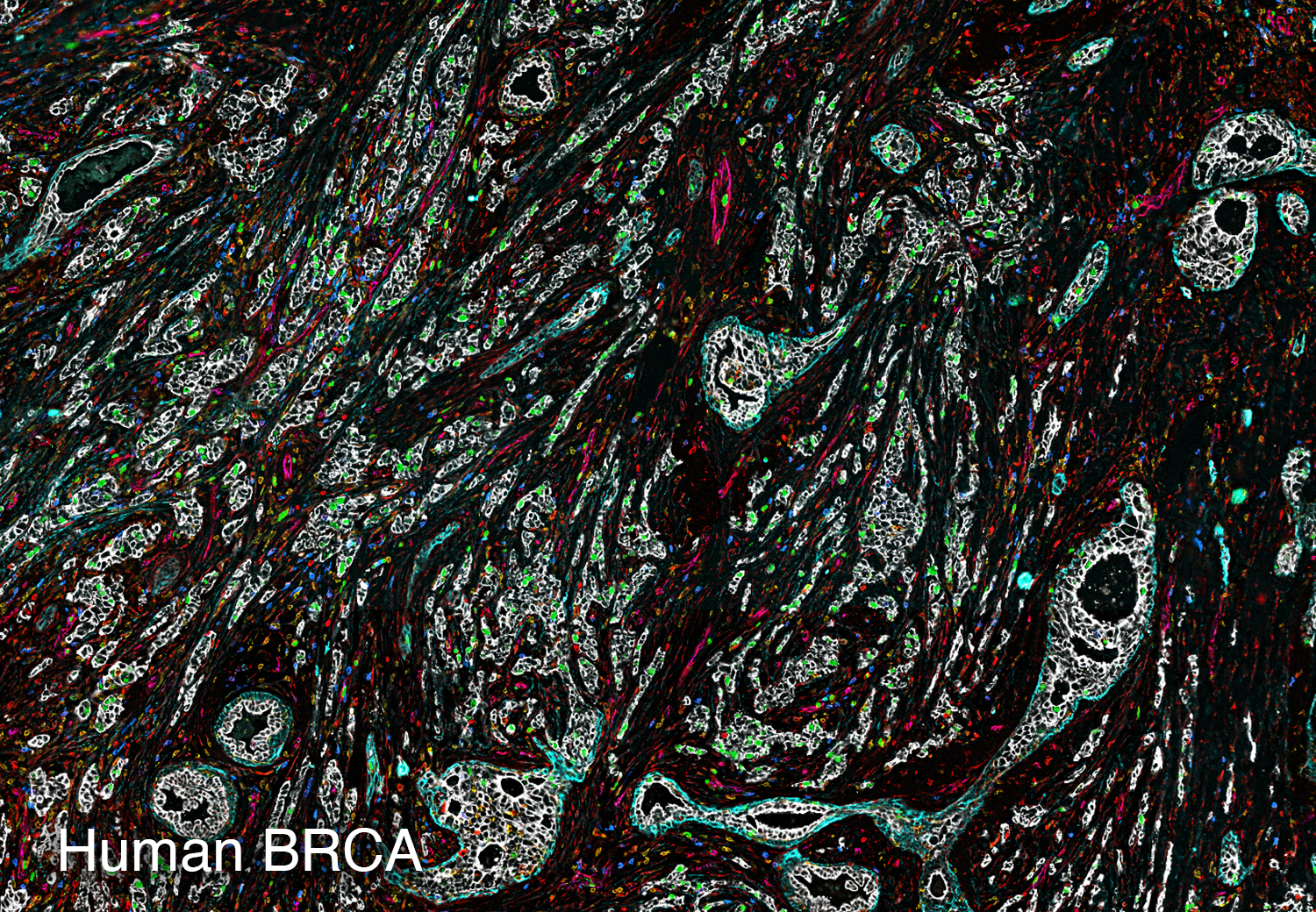
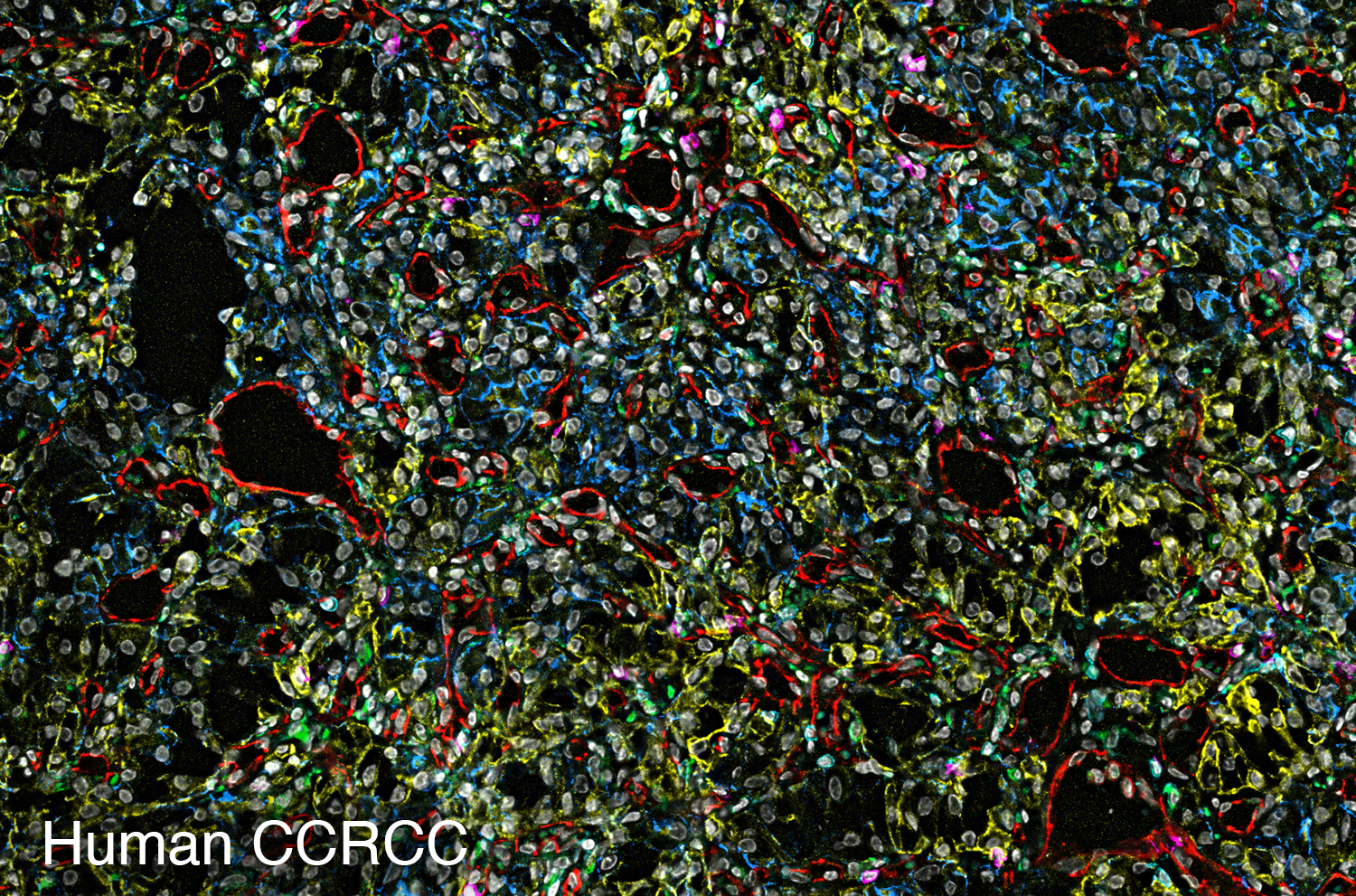
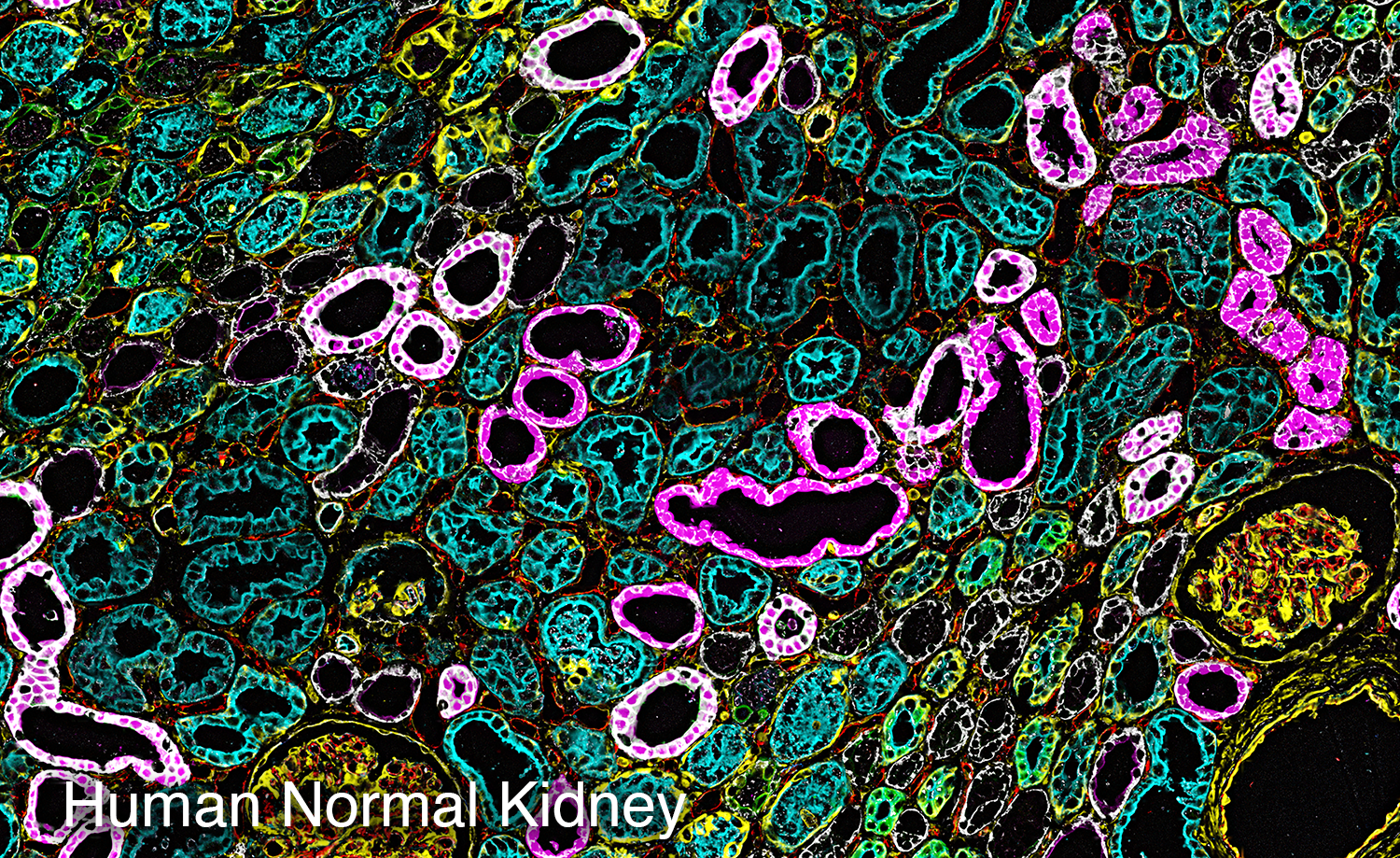
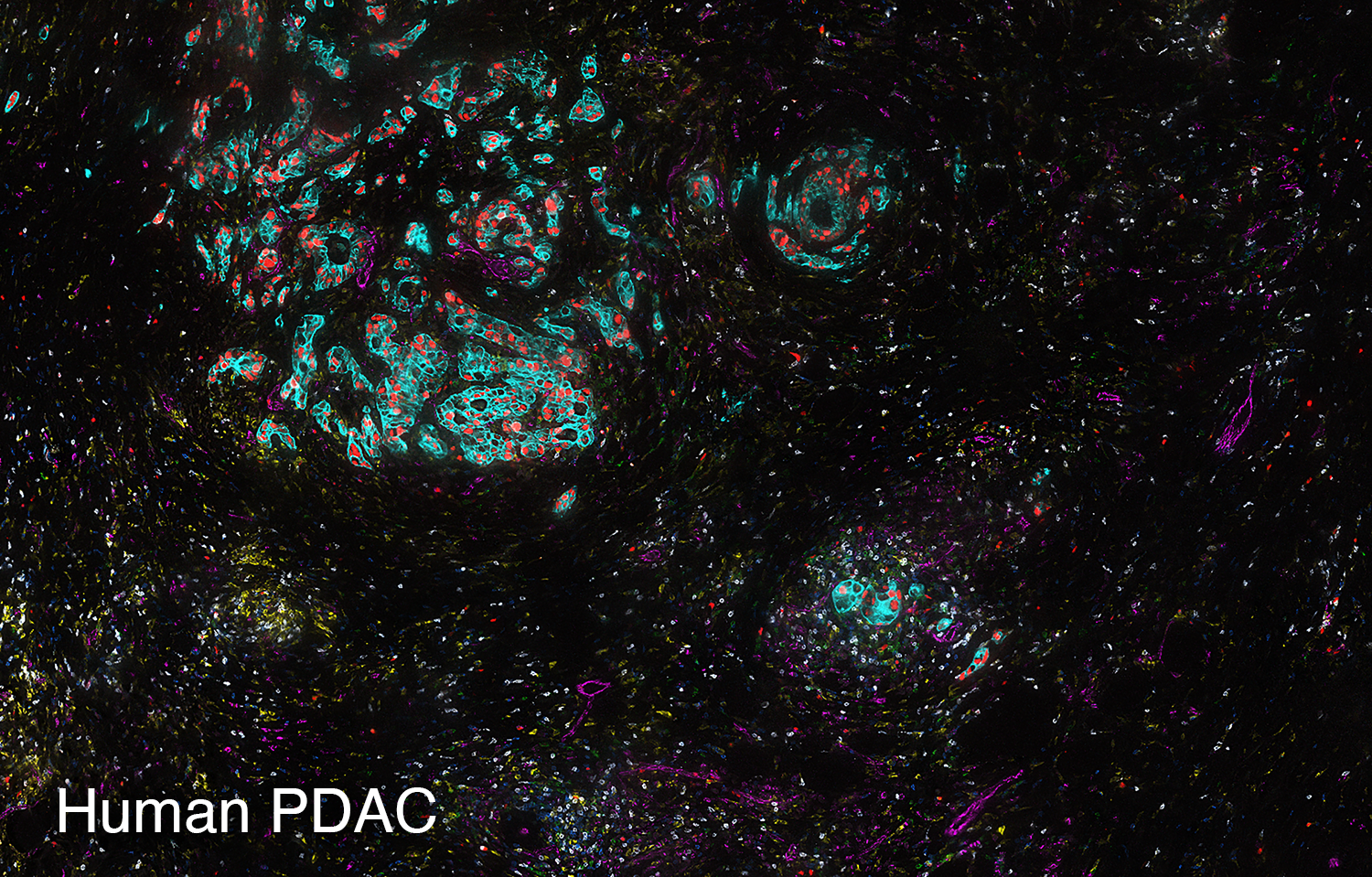
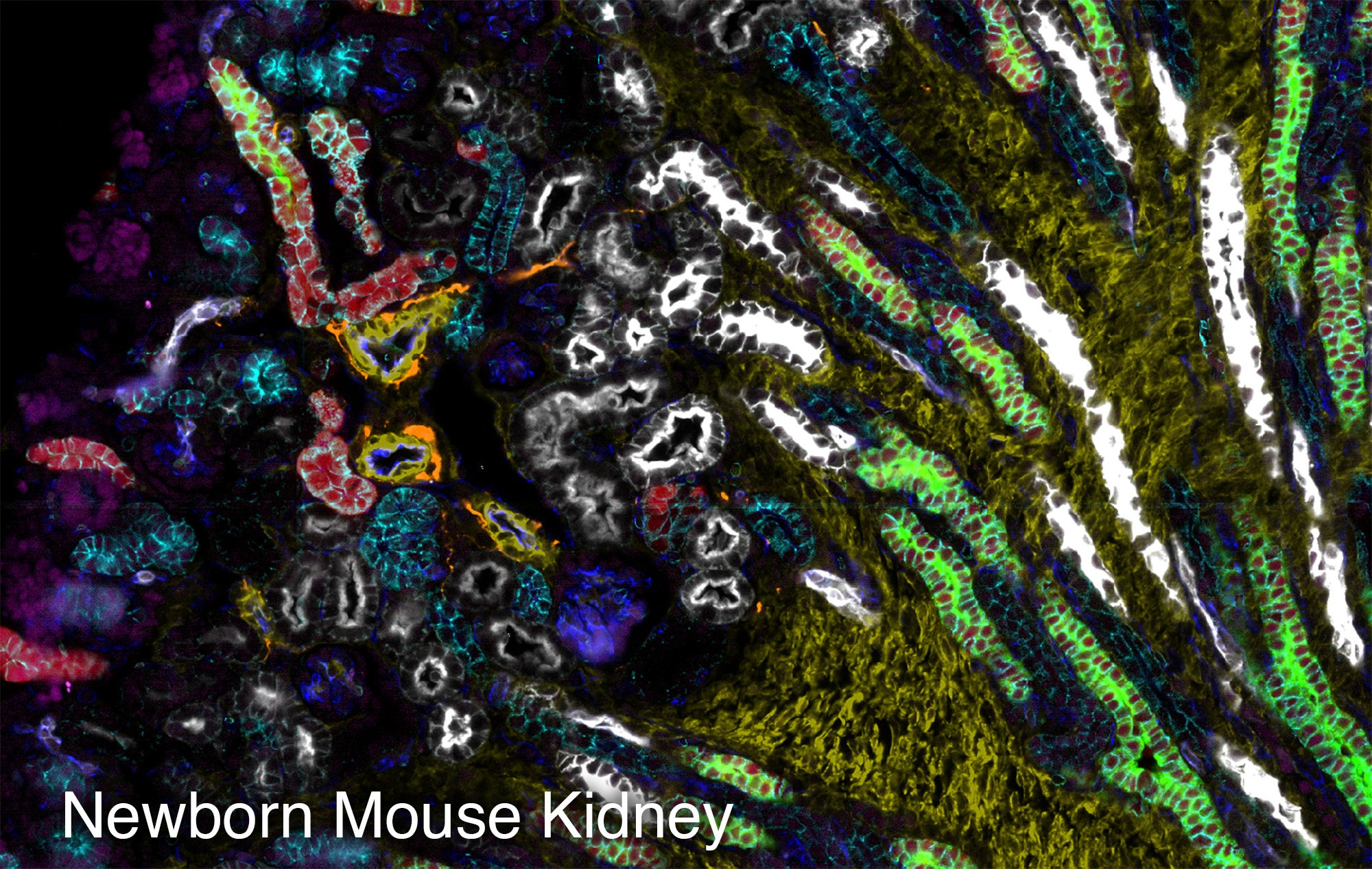
To study the heterogeneity and complexity of different kinds of disease, we apply 30+ antibodies on a single tissue section and use an automated imaging system to produce whole-tissue immunofluorescent images at single cell resolution.
The images below represent tumors from a variety of cancer types. Colors correspond to various proteins expressed by cells within the tumors, and illustrate the complex and diverse tumor microenvironment.
Spatial Transcriptomics
Xenium
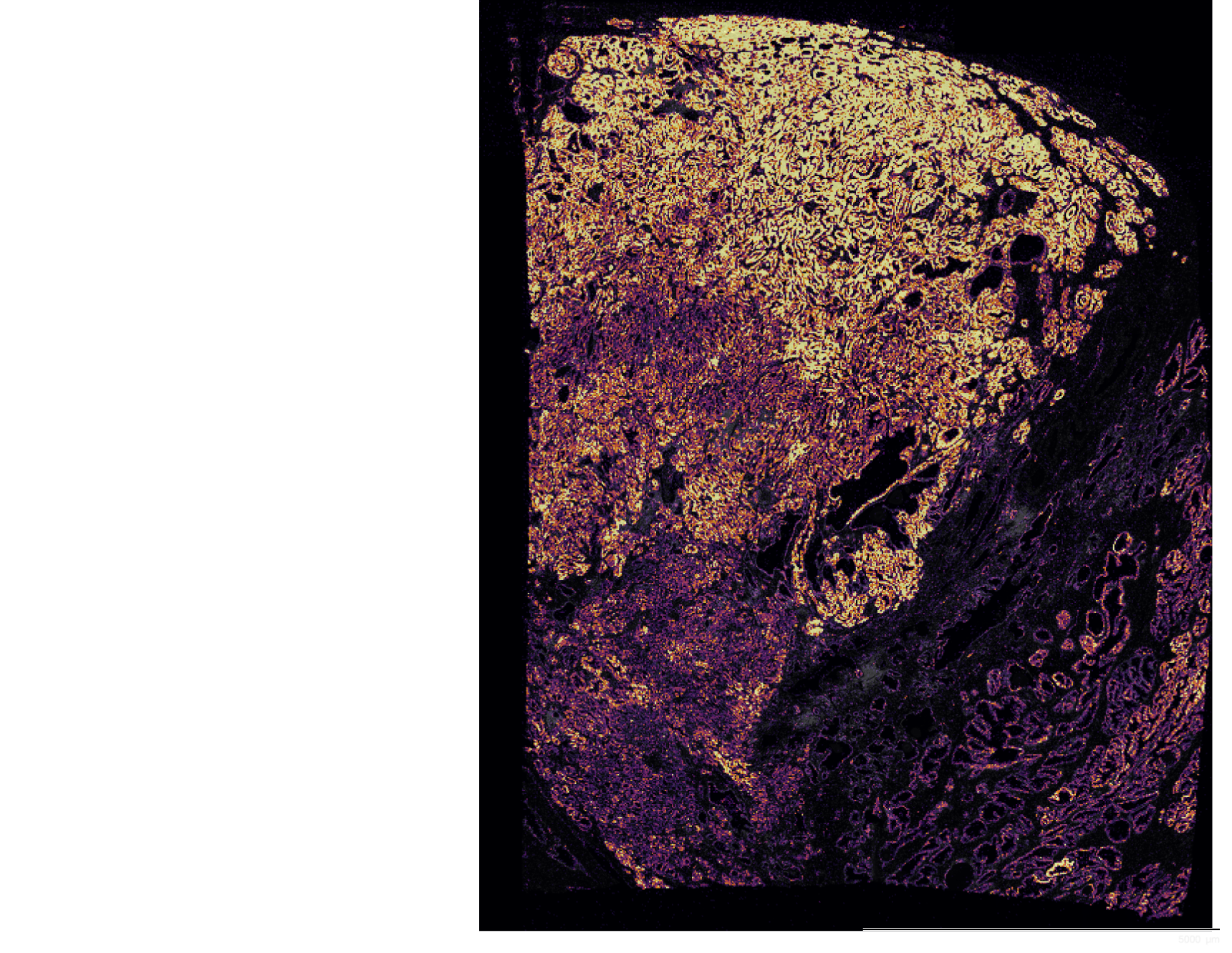
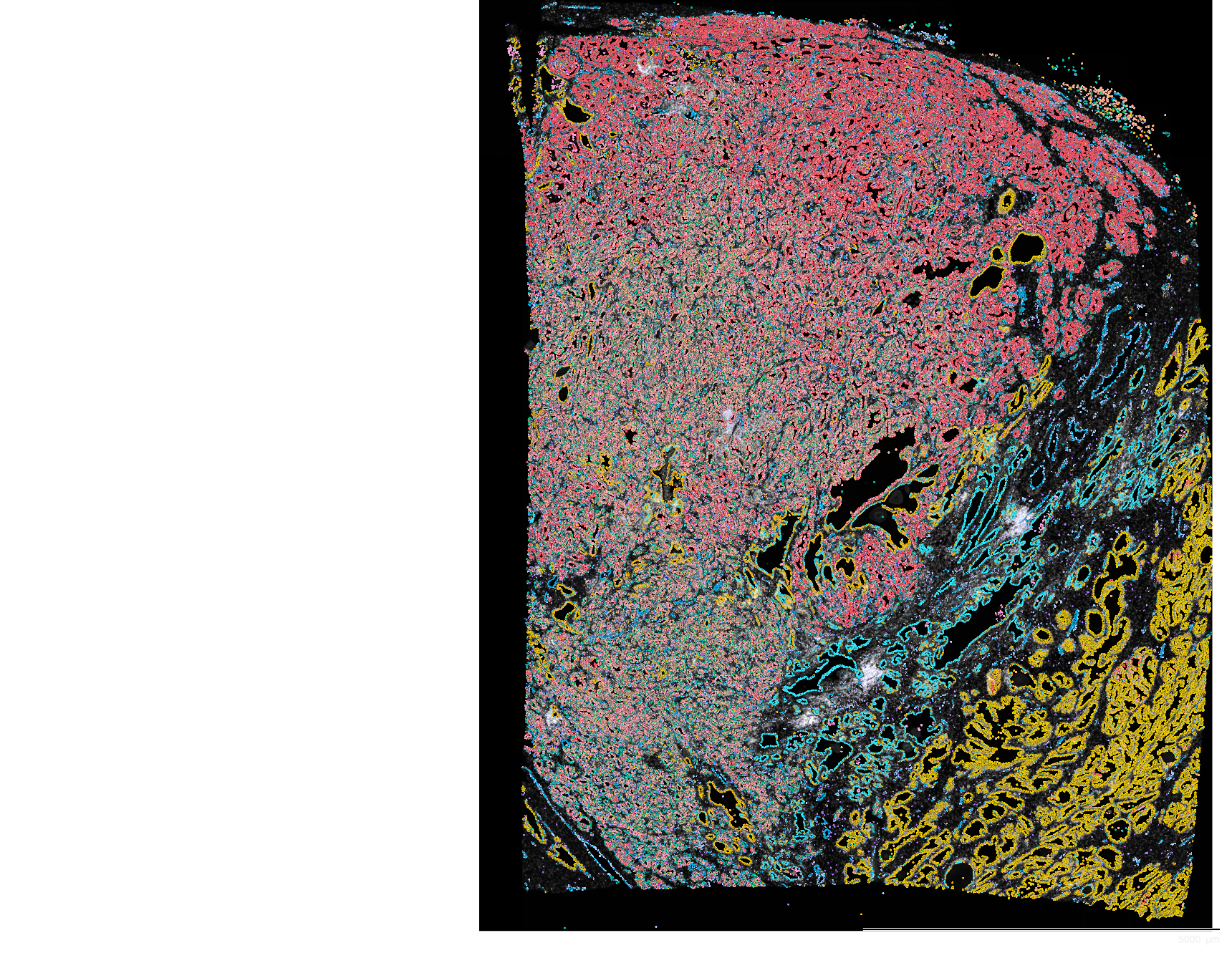
The Xenium platform is a spatial transcriptomics product commercialized by 10x Genomics, capable of mapping hundreds of genes in situ at subcellular resolution. Spatial transcriptomic profiling of primary prostate cancer using the Xenium 377-probe panel reveals distinct molecular clusters. The image highlights key regions: red indicates adenocarcinoma expressing STEAP4, blue marks benign luminal epithelium with basal cells characterized by KRT7 expression, and orange denotes areas of benign prostatic hyperplasia enriched for KLK11. These molecular signatures help differentiate malignant from non-malignant regions within the tissue, supporting more precise epithelial cell type characterization.
Visium
We use spatially-resolved transcriptome to study and discover cellular and molecular interactions such as tumor and immune cells in close proximity.
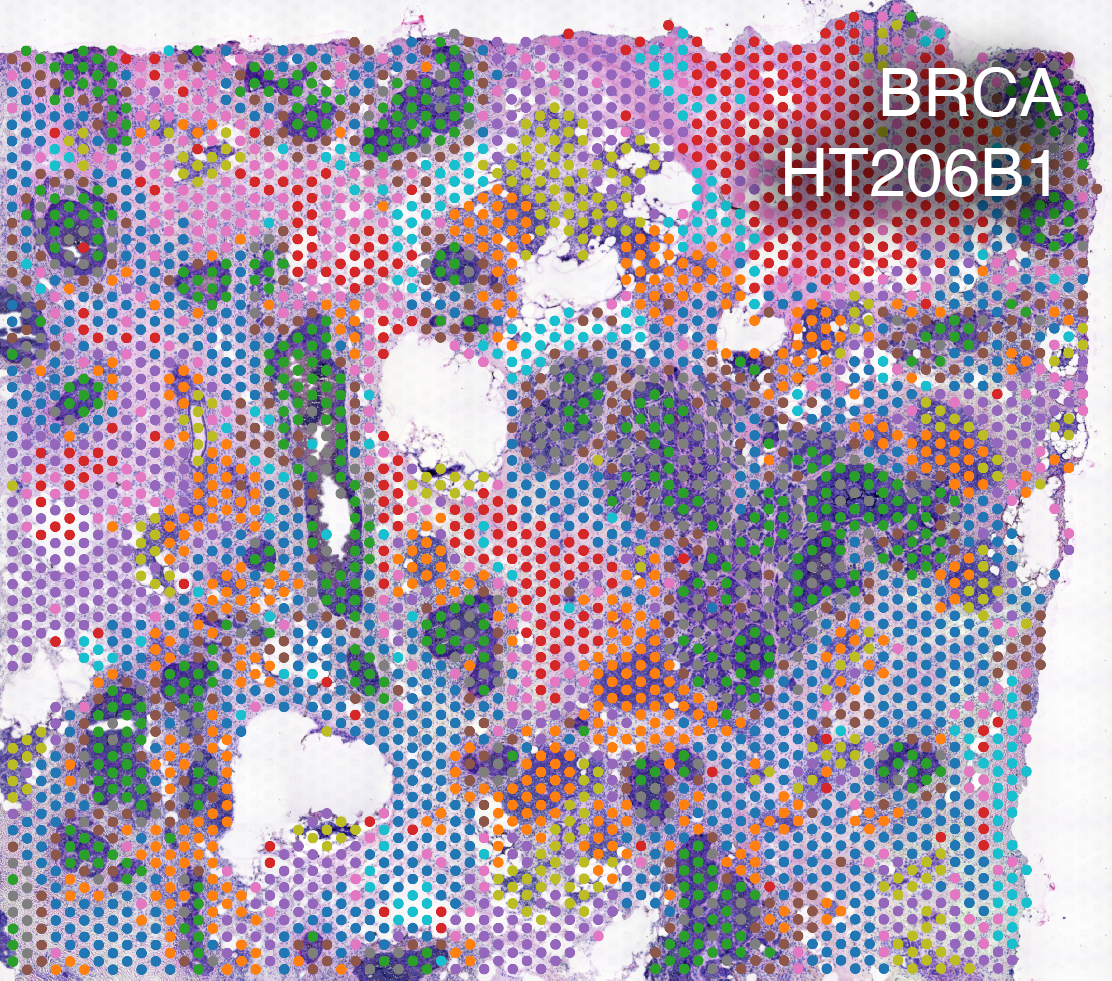
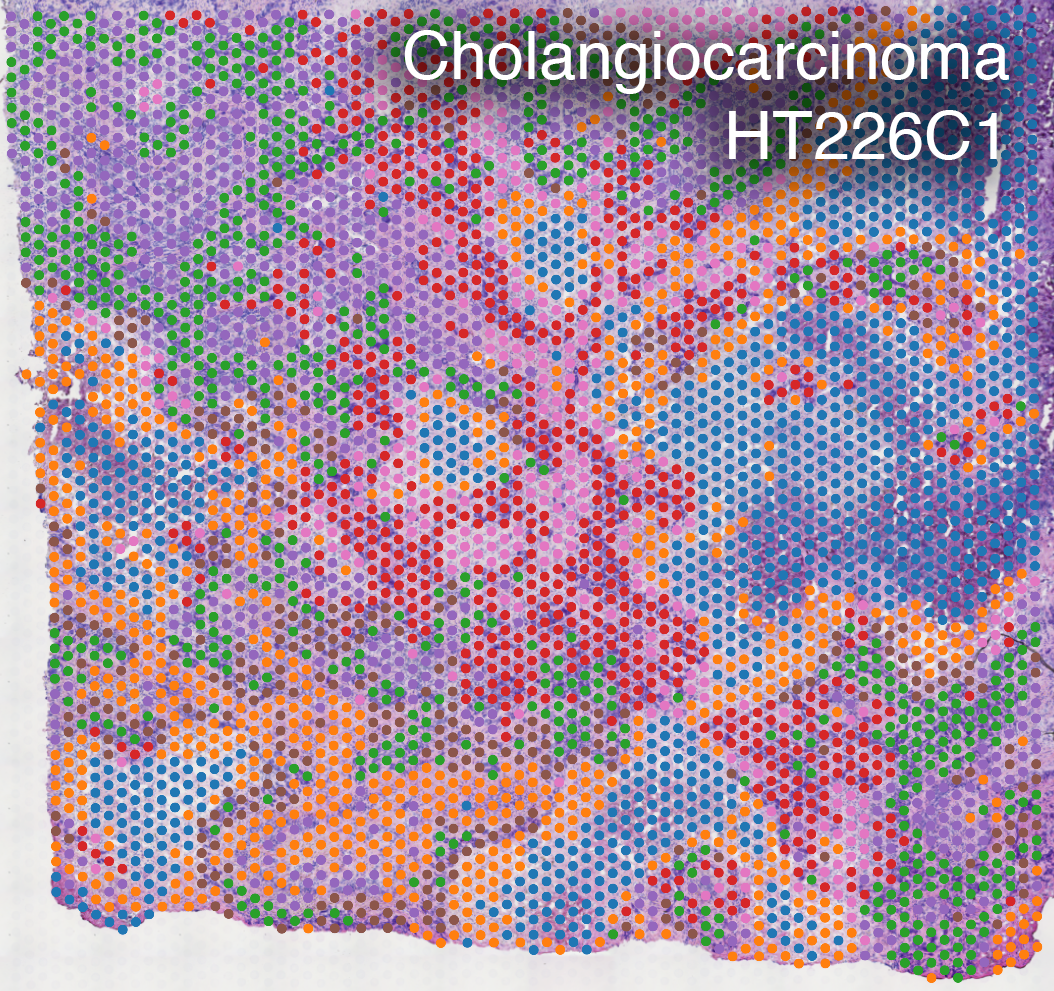
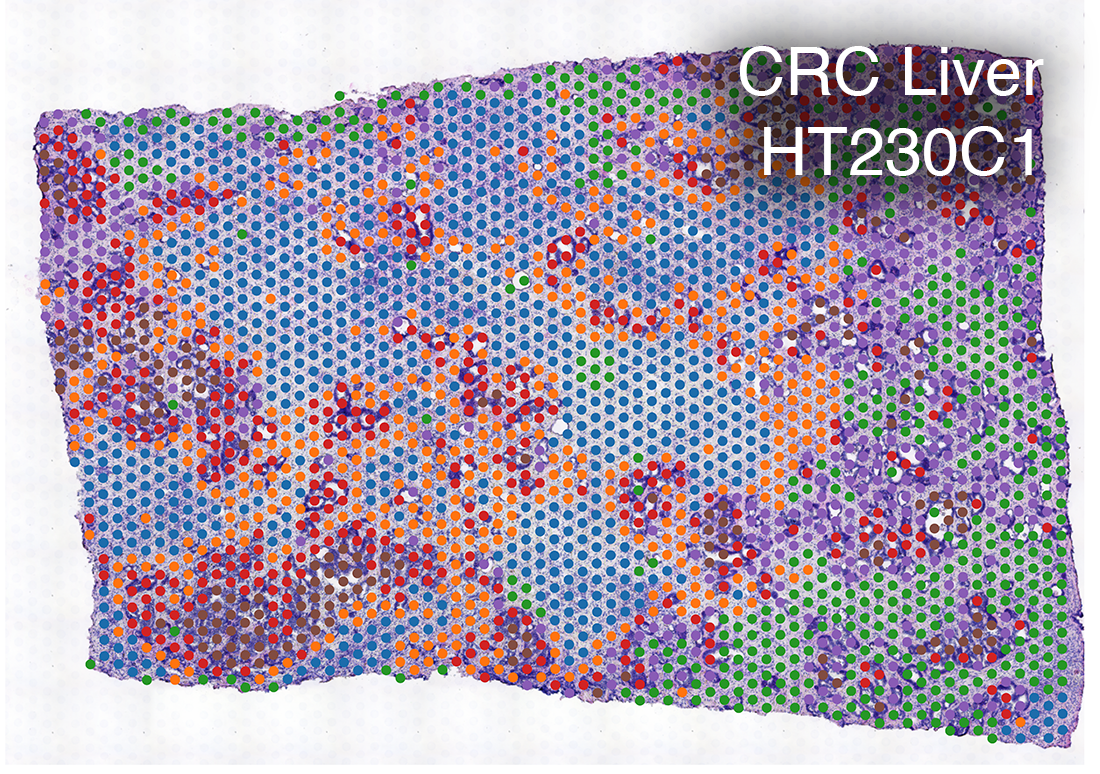
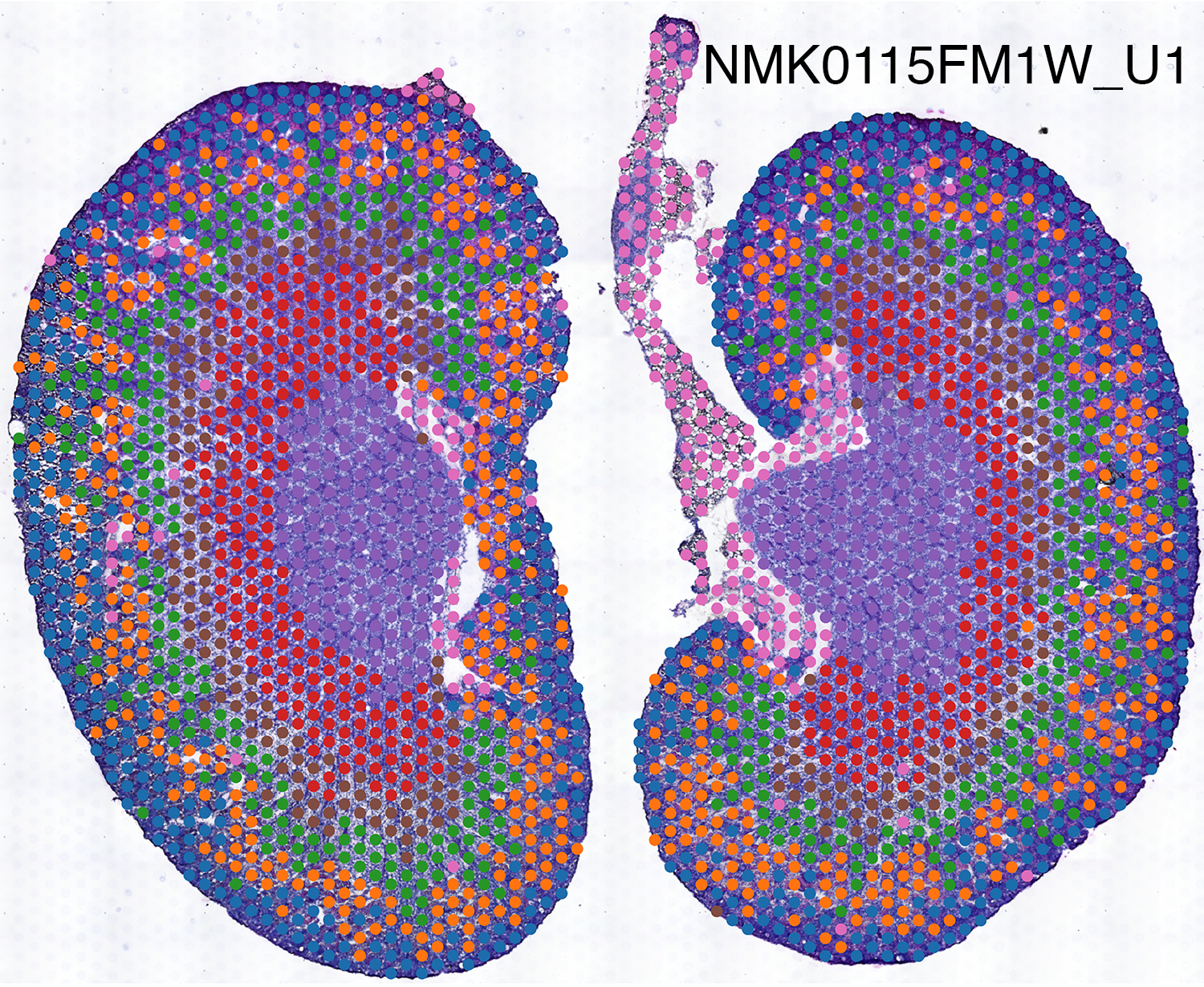
Spatial transcriptomics combines microscopy imaging with spatially-resolved RNA sequencing. In the images below, histopathology images are overlaid with a grid of dots. RNA in the tissue at each dot location is sequenced. The color of each dot corresponds to the types of cells present there, as indicated by their RNA expression patterns.
Stacked 3D
We use stacked 3D for 3D reconstruction to recover spatial continuity and context that are lost in traditional 2D tissue imaging. In standard pathology, samples are sliced into thin sections and analyzed individually, which limits understanding of the three-dimensional relationships between tissue features. This is particularly problematic for biological processes like cancer, where tumor phenomena occur non-linearly across tissue depth. Stacked 3D reconstruction involves taking a series of such 2D sections from a tissue block, aligning them computationally, and reassembling them into an aligned, volumetric dataset. This allows us to trace transitions between normal, precancerous, and cancerous regions within a tumor sample. Additionally, it allows for a view into how tumors grow and interact with all the different cell types arranged around them. Understanding these relationships are critical for understanding tumor biology, disease progression, and developing targeted treatments.